
Dermatology (from Greek derma – skin, logos – word, science) is the branch of medicine that studies the structure and function of the skin and deals with the diagnosis, treatment and prevention of skin diseases. A person's general health, the function of the nervous, endocrine, cardiovascular and other body systems, the way internal organs work, the activity and direction of metabolism and many other factors act, directly or indirectly, on the condition of the skin and its function. There is a direct correlation between the skin and the activity of the whole body.
The causes of skin diseases are diverse and complex. They may be disorders of gland function, congenital skin diseases or hereditary diseases. The skin is constantly exposed to the environment and to various infections, viruses and bacteria, which leads to changes in its composition. All skin diseases are accompanied by certain symptoms: rash, itching, etc.
Cosmetology is closely related to dermatology. Treatment of various cosmetic defects is also carried out in our clinic.
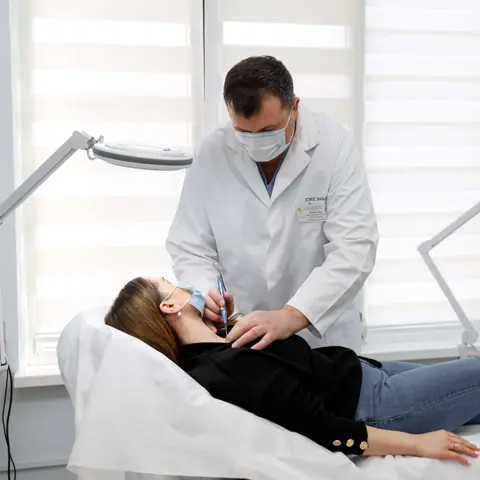
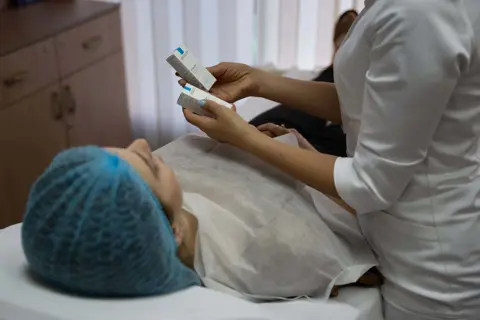
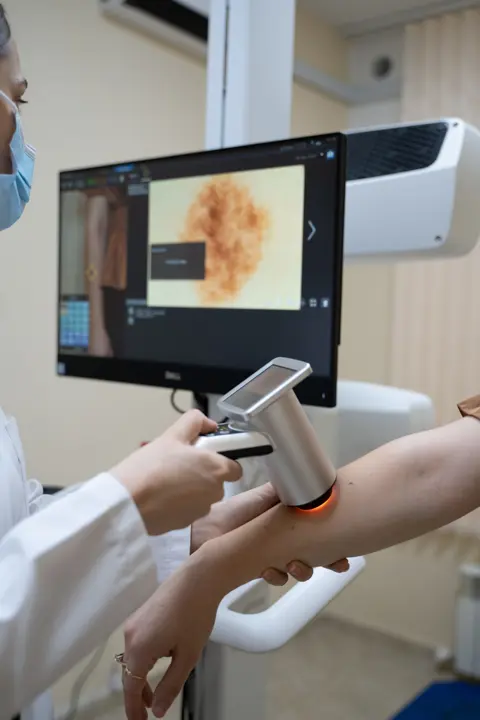
SANCOS Clinic offers comprehensive dermatology services for the diagnosis and treatment of diseases of the skin, scalp, nails and mucous membranes. A whole department of 9 dermatologists and 9 cosmetology assistants is at your service for treatments with optimal results that meet international standards, as well as for correcting minor imperfections. Here you can get consultations with specialist doctors, examinations on top-class equipment, dermatological laser, dermatoscopy, surgical excision of skin growths and more.
What do we treat?
The most frequent reasons patients see the SANCOS dermatologists include the following conditions:
- acne
- rosacea
- psoriasis
- various skin growths (moles, warts, papillomas)
- dermatitis (atopic)
- eczema
- onychomycosis (nails)
- telangiectasia (spider veins)
- hemangiomas
- shingles (herpes zoster)
- genital herpes
The Clinic's wide range of capabilities gives patients the opportunity to receive related dermatological treatment in collaboration with other narrow specialists – gynecologists, endocrinologists, gastroenterologists, general practitioners – as well as laboratory tests and other investigations. This allows us to apply the most effective approach to your problem.
Contents
01Skin diseases caused by the human papillomavirus
For centuries, warts were considered mysterious and incomprehensible skin lesions, and legends were told about their origin. Today we know that warts are benign growths of the epithelium caused by the human papillomavirus (HPV).
The human papillomavirus is found everywhere. It causes a whole range of benign lesions of the skin and mucous membranes and plays an important role in the development of malignant tumors. Asymptomatic carriage of the virus also occurs.
Among the skin diseases caused by HPV, three are especially widespread: common warts, plantar warts and flat warts. Common warts account for about 70% of all warts and affect almost 20% of schoolchildren. Plantar warts account for about 30% and are common among teenagers and young people. Flat warts occur in people of any age and account for only 4%.
Among the diseases of the mucous membranes caused by HPV, the most common is genital warts (condylomata acuminata).
Condylomata acuminata, or genital (venereal) warts, are benign growths that look like soft, fleshy, skin-colored warts appearing on the skin and mucous membranes of the genitals and the perianal area.
Genital warts are the most widespread sexually transmitted infection and the most common form of the disease in a dermatologist's practice.
Genital warts most often appear between the ages of 16 and 25 in both sexes, and in most people the infection is asymptomatic.
The infection can persist throughout the patient's life, but most of the time the virus remains latent and becomes active only from time to time. Contagiousness is high during flare-ups, when the warts appear.
Sexually transmitted genital warts can cause discomfort during sexual activity and may be accompanied by inflammation and itchy, bleeding fissures.
The recurrence rate is still quite high, although genital warts can sometimes regress on their own without treatment. Spontaneous regression of warts is seen in 10–30% of patients. The incubation period can last up to 9 months, and the course of the disease from several months to several years.
Condylomas are most often located in areas that are traumatized during sexual intercourse; they can be single or multiple and look like "cauliflower" or a "cockscomb".
In men, the glans penis, the frenulum and the inner layer of the foreskin are most often affected, and less often the shaft of the penis. Lesions can also appear on the scrotum, in the groin, the perineum and the perianal area.
In women, lesions are located at the posterior commissure and the external urethral opening, on the labia minora and majora, in the perineum, the perianal area, in the vagina and on the cervix.
Genital warts can grow, compress the urethra and anus, and block the entrance to the vagina. Warts exposed to irritation or pressure can be injured and become infected. Their color varies from pinkish-crimson to grayish-white. Pigmented condylomas are less common. Diagnosis of clinically visible condylomas is usually not difficult. In diseases caused by HPV, both sexual partners should be examined and treated, and condom use is recommended during treatment and for the following 6 months.
Even with correct treatment, genital warts often recur. This is because the virus persists in the apparently healthy skin around the lesions. A recurrence is not caused by reinfection from a sexual partner but by reactivation of the virus.
Without treatment, three outcomes are possible: the warts disappear on their own, they continue to grow, or they persist.
Oncogenicity is the most important property of the human papillomavirus. Different types of HPV cause cervical dysplasia, squamous cell carcinoma of the cervix, vulvar cancer and penile cancer. Removing genital warts from the external genitals does not reduce the risk of cervical cancer. Every female patient should understand the importance of an annual cervical smear (cytology) test. Using condoms reduces the risk of infecting sexual partners. It is impossible to eliminate HPV completely; one can only remove the warts and thus relieve the patient's condition. Removing the lesions reduces the risk of infecting sexual partners.
Treatment of papillomavirus infection remains difficult today and has not been fundamentally solved, as there are no methods that could destroy the human papillomavirus completely.
Today, the generally accepted method at SANCOS Clinic is combined therapy: medication acting on the virus and the immune system, together with removal of the condylomas or correction of other disorders.
SANCOS Clinic performs the full range of laboratory tests, and consultations are provided by a dermatologist, a dermato-cosmetologist, a gynecologist and an oncologist. These specialists can make a significant contribution to getting rid of warts; each of them can explain to the patient the advantages and disadvantages of the possible treatments and, together with the patient, choose the most suitable method for eliminating benign HPV lesions of the skin and mucous membranes.
02Removal of warts, moles and papillomas
dermatologic surgery
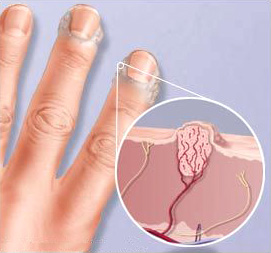
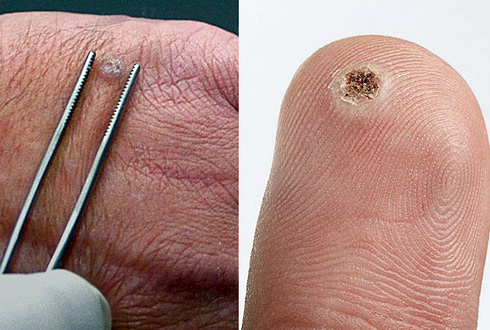
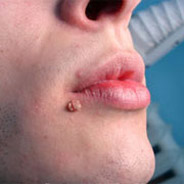
People with perfectly smooth, even skin are rare. Almost everyone has some kind of skin growth, such as warts, moles, papillomas, nevi, lipomas, keratomas, etc. Skin growths are not only a cosmetic defect – they can be a danger to health. That is why they need to be removed or treated. Skin growths can be located on the scalp, face, body and genitals. Depending on their location and type, they can be removed by the following specialists:
The technologies available at SANCOS Clinic make it possible to perform personalized surgical dermatology treatments, adapted to the patient's specific needs, without pain and without a post-procedure recovery period.
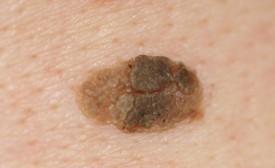
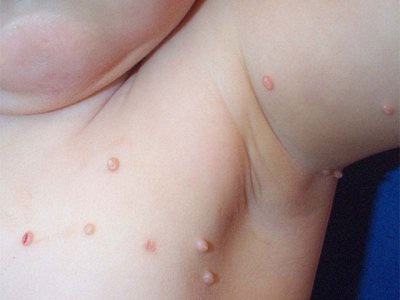
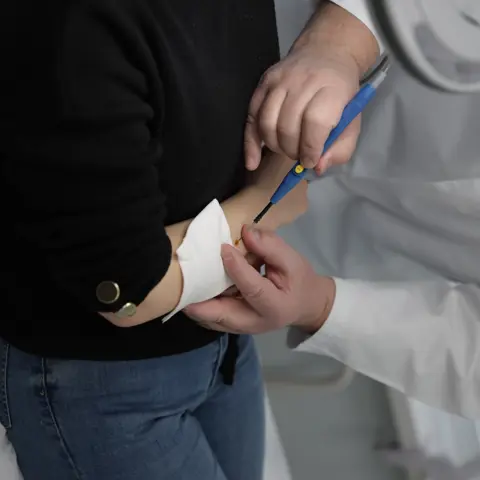
Skin growths are removed using various methods
- laser
- radio wave
- electrocoagulation
- surgical excision
- liquid nitrogen
The doctor chooses the optimal removal method based on the type of skin growth.
Diagnosis
At the very first visit the doctor makes a diagnosis and decides whether the skin growth can be removed. A skin biopsy is performed if needed. In some cases an oncologist consultation is held before the procedure.
Indications for removal
- common and plantar warts
- papillomas, nevi, condylomas
- molluscum contagiosum
- freckles, moles
- seborrheic keratoses
- milia
- xanthelasma
- facial spider veins, hemangiomas
- lipomas, atheromas (sebaceous cysts)
- scars
- ingrown toenail
- other skin growths
Advantages of removing warts, moles and papillomas at our clinic
- modern equipment
- fast and bloodless
- painless
- gentle on the surrounding tissue
- quick healing without scars
- mandatory histological examination
Contraindications to removal
- herpes infection
- allergic diseases
- febrile conditions
- acute respiratory infections
- hypertensive crisis
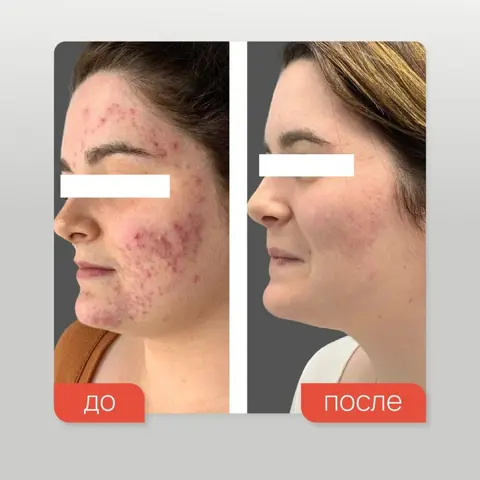
03Acne
(acne vulgaris, blackheads, pimples, post-acne)
Acne is an inflammatory disease of the sebaceous glands and hair follicles of the skin. It is characterized by clogging of the sebaceous gland ducts followed by their inflammation. Other names for this skin condition are acne rash, pimples, acne disease. How to get rid of pimples concerns everyone who has them.
It used to be thought that acne was a problem of young people and a consequence of puberty. More detailed research has shown that age and diet have nothing to do with it.
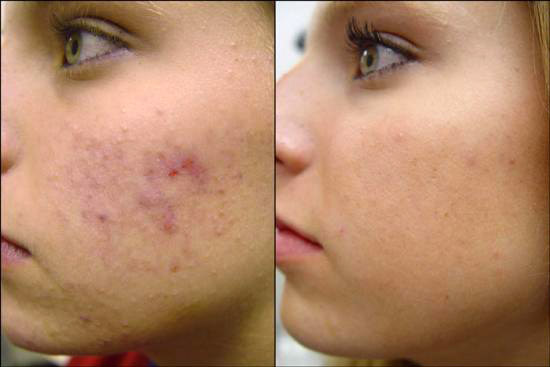
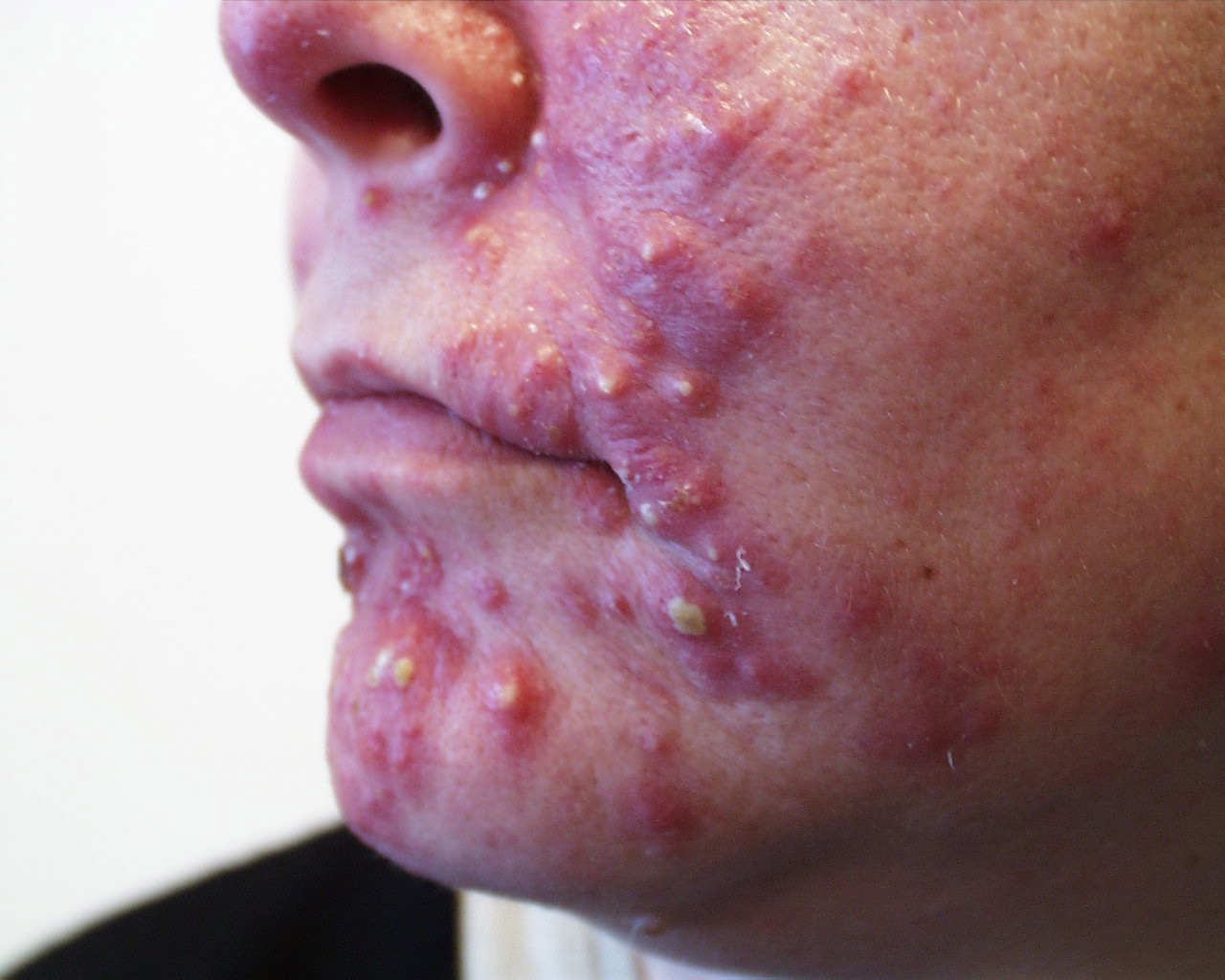
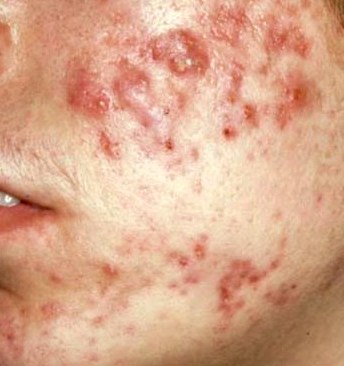
Causes of acne
- hormonal status particularities
- overactive sebaceous glands
- chronic and acquired gastrointestinal diseases
- heredity
- immune system disorders
- stress
- allergy
- dysbacteriosis and some others
Acne treatment methods depend entirely on the severity of the disease. Mild cases are usually resolved with special products that have an exfoliating and anti-inflammatory effect.
Modern medicine offers various methods of treating acne and post-acne:
- facial cleansing
- skin resurfacing (dermabrasion)
- mesotherapy
- phototherapy
- darsonval
- ozone therapy
- colon hydrotherapy
- thermoplastic masks
- peels
All these acne treatments are fully available at our Clinic. Each of the methods above is prescribed only after a consultation with a doctor. For any therapy to give a lasting result, it is important to strictly follow all the instructions of the attending physician.
04Allergy
Allergy symptoms can appear as various skin rashes (most often hives, inflammation and irritation, redness, cracks). Skin allergy is accompanied by itching, which can occur at any time of day.
Other allergy symptoms: watery eyes, cough, stuffy nose, runny nose, frequent sneezing. If these symptoms are not related to a cold, they are a manifestation of allergy.
Allergy affects not only the skin and mucous membranes. Very often the gastrointestinal tract suffers, signaling with digestive disorders. This is a reaction to foods and drinks – food allergy. There are also allergies to the sun, to bites, to cats, to water, to dust, to insects and to heat.
The most extreme and dangerous are instant allergic reactions such as Quincke's edema (angioedema), accompanied by swelling of the larynx and spasm of the airways. In this case the person needs emergency medical care, and sometimes intensive care.
Causes of allergy
- house dust;
- food allergy;
- allergy to medicines, to cold, etc. Sometimes an allergy can develop to everything. This condition – a person's extreme dependence on environmental factors – is called idiosyncrasy.
The occurrence of idiosyncrasy confirms that allergy is only an outward sign of a problem in the body, since it arises from impaired immunity and depends on the body's condition and its ability to defend itself against bacteria, viruses, fungi and parasites.
It is these agents that provoke allergic conditions. Allergy is a kind of protective reaction of the body, which signals an internal problem and urges the person to look for its cause without delay.
05Mycology. Nail fungus. Foot fungus
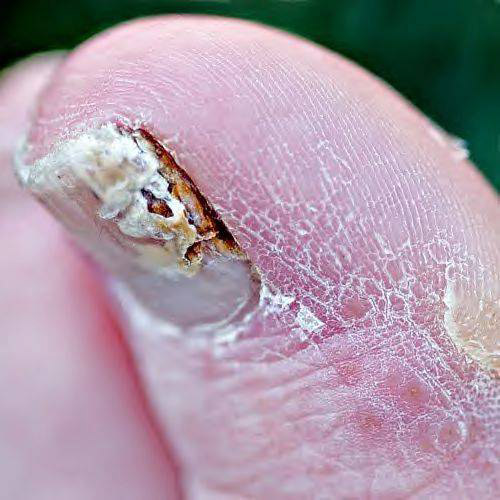
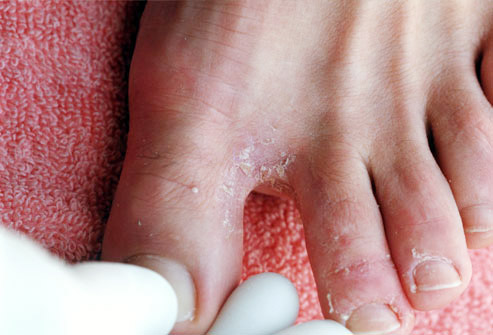
Nail fungus is a common disease. Fungal diseases – mycoses – affect many people. Mycoses can settle on the surface of the skin or on the mucous membranes of internal organs. The most common of them is athlete's foot (tinea pedis).
Foot mycosis (foot fungus) is caused by pathogenic fungi. It is an infection passed from person to person through direct contact or through objects (shoes, towels, personal hygiene items). Pathogenic fungi affect the skin (mycosis) and the nails (onychomycosis).
Onychomycosis (toenail fungus) is a fungal infection of the nails.
Foot mycosis is usually a chronic disease: flare-ups occur mainly in summer, and in the cold season they give way to an asymptomatic course.
Foot mycosis (skin fungus) – symptoms
- redness, swelling, cracks in the folds between the toes
- peeling, itching, thickening, redness, especially between the 4th and 5th toes
- chafing and calluses that take a long time to heal
Onychomycosis (nail fungus) – symptoms
- loss of shine, change in nail color
- unattractive appearance of the nails
- thickening and deformation of the toenails
- changes in the nail plate
If you notice changes in your nails or feet, it is very important to see a dermatologist or mycologist in time so that the mycosis can be detected, identified and treated.
Nail fungus and foot fungus – prevention
Fungal diseases can and should be avoided. To prevent fungal infections of the nails and feet, dermatologists recommend the following measures:
- Wear flip-flops when visiting a bathhouse, sauna or swimming pool.
- Never wear someone else's shoes when visiting.
- Do not wear socks and shoes made of synthetic materials.
- When staying in hotels, wear your own footwear.
- If you are bothered by sweaty feet and an unpleasant smell, see a doctor right away.
06Contact dermatitis
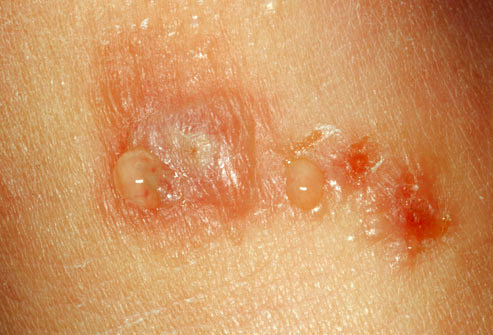
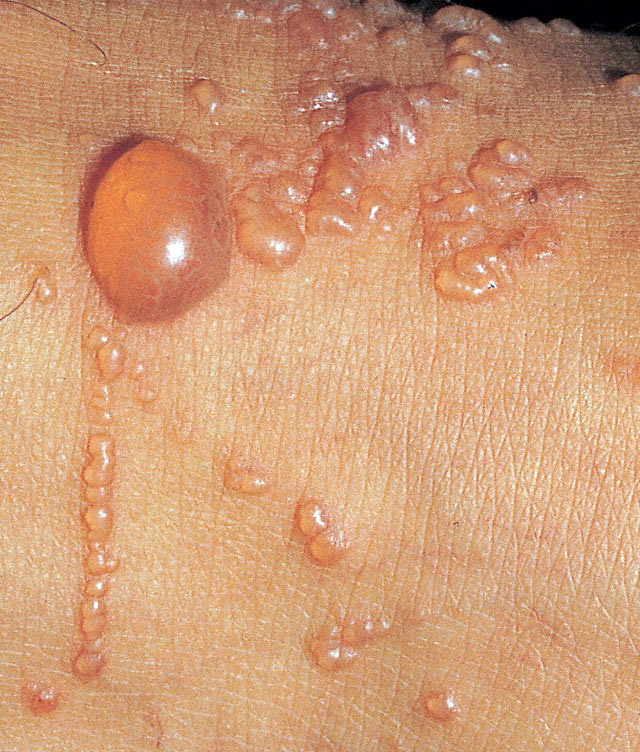
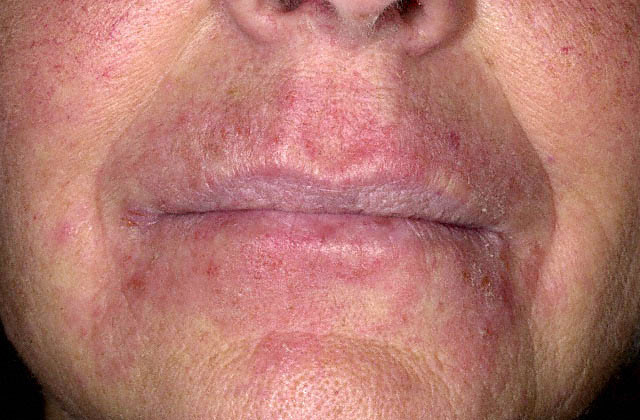
Dermatitis is an inflammatory skin lesion that results from the direct action of external factors on the skin.
Causes of contact dermatitis
Acids, alkalis, solvents, polymers, sap of poisonous plants, insect secretions, high and low temperatures, etc. These irritants can cause inflammatory skin reactions (dermatitis) in anyone, regardless of a predisposition to allergies. The skin reaction depends on the strength and duration of exposure to the irritant (for example, burns).
Signs of simple contact dermatitis
Contact dermatitis develops in 3 stages (forms): erythematous (marked redness and swelling of the skin); vesiculobullous (small vesicles, blisters and weeping appear); and necrotic-ulcerative (blisters burst, forming erosions, and in severe cases areas of necrosis). The inflammation in contact dermatitis strictly matches the area exposed to the irritant and appears immediately after contact with the skin.
Allergic dermatitis
It develops after repeated exposure to irritants in people who are hypersensitive to them (prone to allergies).
Causes of allergic dermatitis
The allergens are usually exogenous chemical substances: weak solutions of acids and alkalis, organic acids, most organic solvents, topical medicines, cosmetics, etc. However, the irritant can also be endogenous (internal) and reach the skin through the blood. In this case we speak of toxicoderma.
Signs of allergic dermatitis
Skin changes in allergic dermatitis appear after a latent period that can last from 7–10 days to several months or longer. The clinical picture resembles acute eczema. Severe itching is common. The inflammation usually spreads beyond the area of skin where the irritant acted.
Diagnosis of dermatitis
Diagnosing contact and allergic dermatitis is usually not difficult and is based on the patient's history and the characteristic clinical picture. At our clinic we will help you find the cause of your dermatitis.
Treatment of dermatitis
Treatment of contact and allergic dermatitis is based on eliminating exposure to the irritants. In the acute period, anti-inflammatory, keratolytic and disinfectant agents are used, and anti-itch medicines are prescribed. In preventing allergic dermatitis, the key tasks are a protective regimen, following a diet, proper skin care and keeping the causes of relapse to a minimum.
07Seborrheic dermatitis
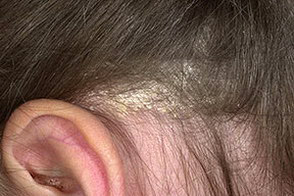
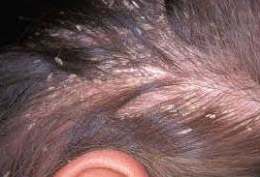
The most common signs of seborrheic dermatitis are increased sebum production, flaking and dandruff on the scalp. Bright pink or reddish patches covered with fine scales may appear on the face and upper third of the trunk.
There is a feeling of skin tightness and mild itching. Seborrheic dermatitis is often combined with various forms of acne.
Cause of the dermatitis
Dandruff and seborrheic dermatitis are most often attributed to the active growth of yeast fungi of the genus Malassezia. Normally these are harmless skin residents – opportunistic microorganisms that live in the openings of the sebaceous glands of most healthy people. Under certain conditions (most often an imbalance between estrogen and androgen hormones, gastrointestinal diseases, stress, unfavorable environmental and climatic factors, etc.), the body loses the ability to control the growth of Malassezia. The multiplication and activity of the fungi lead to increased sebum production, flaking and redness of the skin.
Diagnosis of seborrheic dermatitis
Diagnosing seborrheic dermatitis is not difficult and is based on the typical clinical picture. To detect Malassezia yeast, skin scales from patients are examined under a microscope and cultured on special nutrient media. At the same time, accompanying diseases that contribute to flare-ups of seborrheic dermatitis are diagnosed and identified.
Treatment of seborrheic dermatitis
Folk remedies will not cure dermatitis. Dermatitis and other skin diseases can only be treated in a specialized clinic.
08Lichen planus
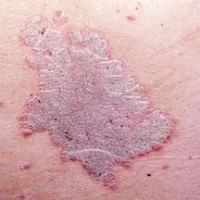
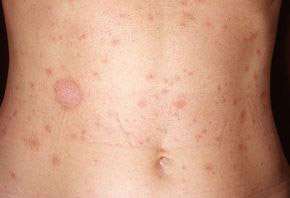
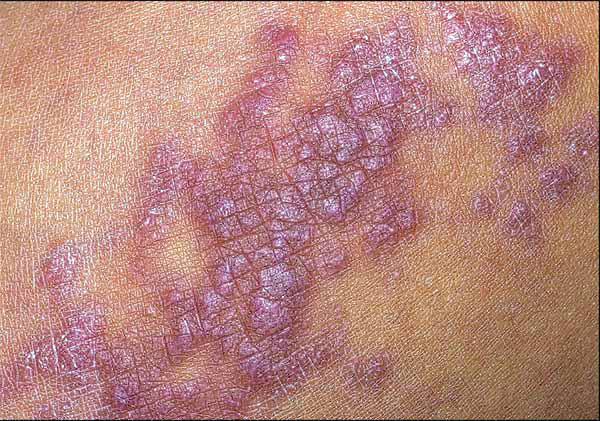
Lichen planus is a chronic skin disease characterized by purple papules with a waxy shine on the skin and, less often, on the mucous membranes of the mouth or genitals. It occurs mainly between the ages of 30 and 60, and women are affected more often.
Causes of lichen planus
- stressful situations
- neuroendocrine disorders
- diseases of the gastrointestinal tract, liver and pancreas
- hypertension
- diabetes mellitus
- infection in the maxillofacial area
- taking certain medications
Forms of lichen planus
Lichen planus occurs in the following forms: typical, verrucous (hypertrophic), erosive-ulcerative, and nail involvement.
Symptoms
Depending on the form of lichen planus, pinkish-purple papules appear on the skin – flat, polygonal, with a waxy shine and a navel-like dent in the center. The affected areas include the skin of the flexor surfaces of the forearms and shins, the sacral area, the external genitals, the oral mucosa and lips; the nail plates and the scalp are often affected too, with the development of scarring alopecia. Patients with lichen planus often suffer from severe itching.
Diagnosis
The dermatologist's main task is to differentiate lichen planus from diseases such as syphilis, psoriasis, leukoplakia and pemphigus vulgaris of the oral mucosa.
Treatment of lichen planus
- drug therapy
- topical treatment (ointments, creams)
- laser therapy
- phototherapy with the Excilite device
- physiotherapy with the BTL5000 device